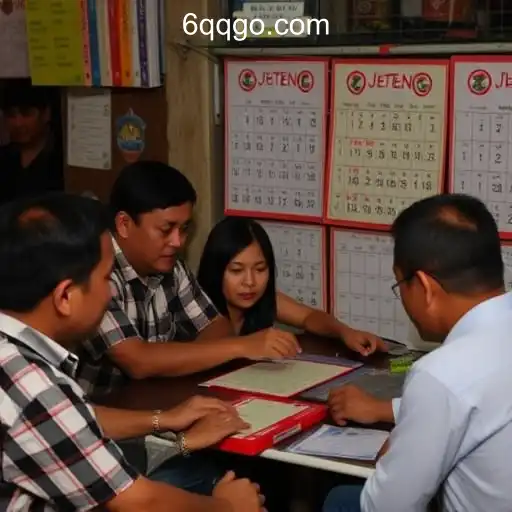
Understanding Jueteng: History and Modern Impact
Jueteng is a widely-recognized illegal numbers game in the Philippines, known for its deep roots in local culture and its continued influence despite numerous government crackdowns. Over the years, Jueteng has maintained its presence in various regions, adapting to legal threats and technological advancements, even intertwining with contemporary online gambling platforms like 6QQ.com cassino com saque rápido.
The Origins of Jueteng
The origin of Jueteng can be traced back to the Spanish colonial era. It is believed that the game was adapted from traditional Chinese gambling practices, incorporating local customs over time. The name 'Jueteng' itself is derived from the Hokkien words 'huê' (flower) and 'tia' (a pair), reflecting its multicultural heritage. Initially, Jueteng was a simple game involving bets on a combination of numbers corresponding to different objects or events.
Political and Cultural Embedding
In the Philippines, Jueteng has established itself not only as a form of entertainment but as a social phenomenon deeply embedded in the political landscape. Politicians and local leaders have historically used Jueteng as a tool for gaining popularity and financial support. Despite its illegality, the game offers an economic lifeline to many impoverished communities, creating a complex relationship between the game, the people, and local governance.
The Mechanics of Jueteng
The game is typically operated by a network of collectors, coordinators, and financiers, who ensure its smooth running. Bets are placed on number combinations, usually from 1 to 37, with results drawn daily. The simple but highly organized structure makes it accessible, contributing to its widespread popularity. However, this simplicity also makes it challenging for authorities to dismantle, as it requires minimal equipment and can be conducted almost anywhere.
Attempts at Eradication
Successive Philippine administrations have attempted to eradicate Jueteng, branding it as a societal ill linked to corruption and moral decay. Efforts include legal crackdowns, arrests of key operators, and even the establishment of legal alternatives like the Small Town Lottery (STL). Despite these efforts, Jueteng persists, largely due to its adaptability and the economic incentive it provides to both bettors and operators.
Online Gambling and 6QQ.com Cassino com Saque Rápido
In recent years, the rise of online gambling platforms such as 6QQ.com cassino com saque rápido has presented both challenges and opportunities for traditional games like Jueteng. These platforms offer rapid transactions and a legal guise that Jueteng cannot match. However, they also face similar criticisms related to gambling addiction and economic exploitation. The convergence of traditional gambling practices with digital platforms underscores a significant cultural shift in how gambling is perceived and practiced.
The Modern Landscape
Today, Jueteng finds itself in a landscape where technology, regulation, and tradition are increasingly intertwined. The challenge lies in addressing the socio-economic factors that fuel its existence while understanding its cultural resonance. As online platforms grow, they offer lessons on regulation, consumer protection, and the potential benefits of legalization under strict guidelines.
Conclusion
The story of Jueteng is a testament to the resilience of cultural practices amid changing socio-political dynamics. While its legality remains contentious, its presence continues to influence both politics and everyday life in the Philippines. Understanding Jueteng, in all its complexity, is crucial for policymakers and the public alike as they navigate the shifting terrain of modern gambling.